Understanding My MRI Experience: A Journey with Multiple Sclerosis
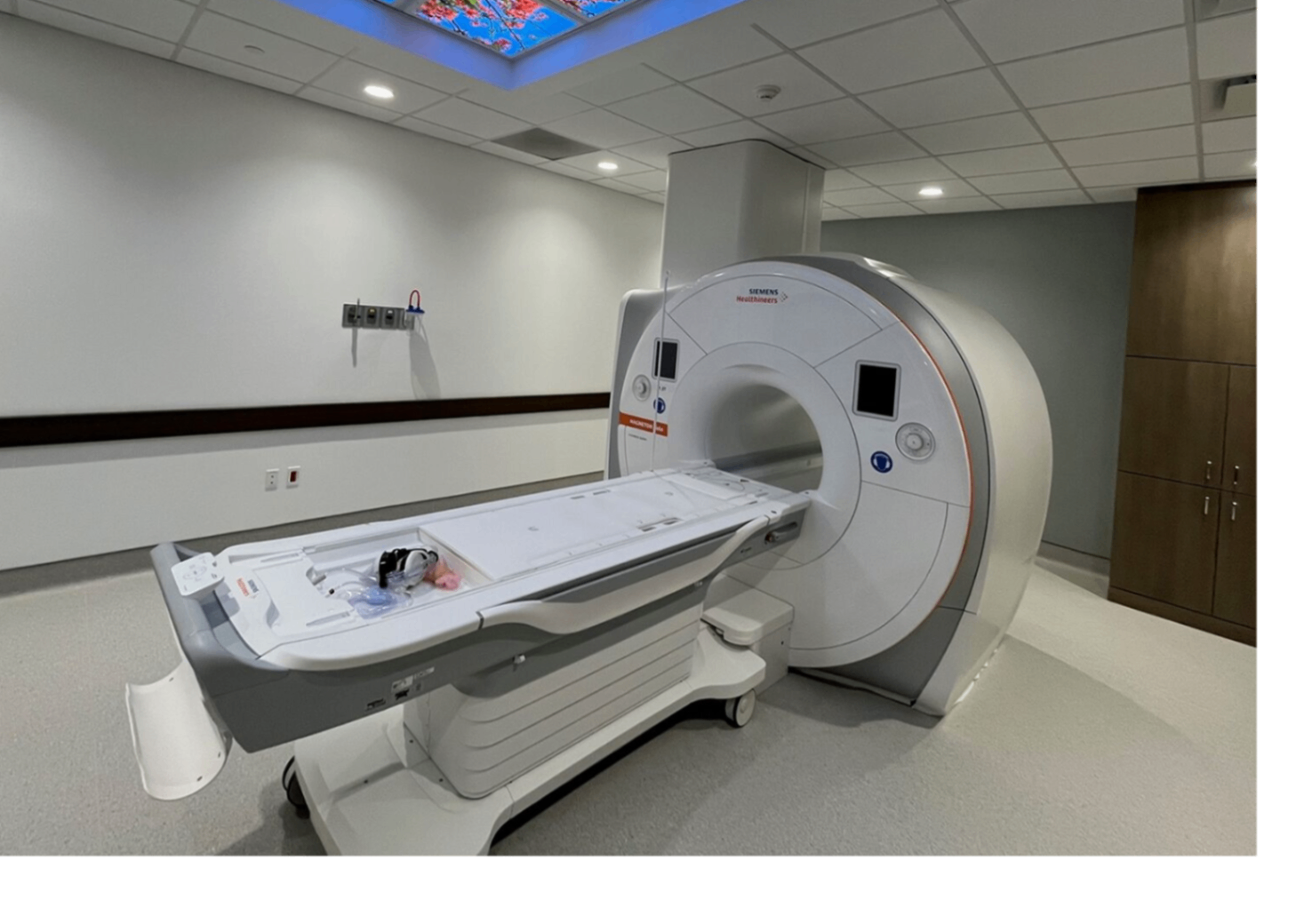
Preparing for the MRI: What You Need to Know
Yesterday was a significant day in my journey with multiple sclerosis—it was MRI day. Preparing for an MRI scan can feel daunting, especially when you’re dealing with multiple sclerosis. As a patient, knowing what to expect can ease a lot of anxiety.
First, it’s important to understand that an MRI, or Magnetic Resonance Imaging, is a powerful tool used to get detailed images of your brain and spine. These images help doctors monitor the progression of multiple sclerosis and make informed decisions about treatment plans and in the case of MS it is to confirm all going well, that the MS is not progressing. To prepare, I made sure to wear comfortable clothing without any metal—metal interferes with the MRI machine.
Before the appointment, I stayed hydrated and avoided caffeine to keep myself calm (Yes, no morning coffee) this is why I do my best to get the 1st appointment of the day. Not to mention some people do not handle the machine well dure to claustrophobia. So minimising the people before you can decrease your wait time. Speaking with my healthcare provider about the process eased my concerns. It’s essential to ask questions and express any fears you might have the 1st time you do this. Trust me; a little preparation goes a long way in making the MRI experience smoother.
As someone who has multiple sclerosis, it’s vital to be informed and proactive in managing your health. Each MRI scan is a step closer to understanding more about your condition and how best to tackle it. Embracing this journey with knowledge and courage can make all the difference.
The MRI Experience: My Personal Journey
The MRI experience can be quite overwhelming, especially for those with multiple sclerosis. My MRI yesterday was an hour-long journey through the confines of a machine that feels both fascinating and intimidating especially the 1st time. Last year I was 133.4kg (294.1lb) and it was a tight fit. I’m now 118.5kg (261.2lb). this little change made a world of difference in the tube. The brain and spine MRI process is crucial for tracking the progression of multiple sclerosis or their lack of, but it doesn’t stop the nerves from creeping in.
As I lay on the table, the technician explained the procedure. The sound of the machine whirring was loud, but the earplugs helped dull the noise. Despite the clinical environment, I found comfort in knowing that this MRI scan was a significant step in understanding my body better.
An MRI for multiple sclerosis isn’t just a scan; it’s part of a larger narrative of living with a chronic illness. As the machine clicked and clanked, I found myself reflecting on the journey so far—each challenge, each triumph. It’s these moments of introspection that help me appreciate the small victories and prepare for what’s next.
The MRI experience is a personal journey, one that every patient with multiple sclerosis navigates differently. By embracing it, we empower ourselves to take charge of our health and well-being.
Understanding Multiple Sclerosis and the Role of MRI
Multiple sclerosis is a complex neurological condition that affects millions worldwide. Understanding it involves unraveling the mysteries of how it impacts the brain and spine. This is where MRI scans play a pivotal role in the management of multiple sclerosis.
An MRI for multiple sclerosis provides a detailed look at any lesions or changes occurring in the brain and spinal cord. These images are vital for healthcare professionals to assess the progression of the disease and adjust treatment accordingly. Yesterday’s MRI of my brain and spine is a testament to the importance of these scans in managing MS.
The role of MRI in multiple sclerosis extends beyond diagnosis. It helps track the disease’s progression and the effectiveness of therapies. As a patient, understanding this role empowers us to be active participants in our health journey. We can ask informed questions and engage in meaningful conversations with our healthcare providers.
The journey with multiple sclerosis is ongoing, and MRI scans are a crucial tool in this process. They provide a window into the invisible changes happening within, helping us stay one step ahead in managing the condition.
What to Expect During and After Your MRI
Having an MRI scan as part of my multiple sclerosis journey can be intimidating, especially when you’re unsure of what to expect. Yesterday’s MRI experience was enlightening, and I’m here to share it with you.
During the MRI, you will likely lie down on a table that slides into the MRI machine. The procedure took an hour, but it’s essential to remain as still as possible to ensure clear images. The machine’s sounds can be loud, so earplugs or headphones are often provided to make the experience more comfortable.
After the MRI, there’s a sense of relief but also anticipation for the results. It’s crucial to understand that an MRI for multiple sclerosis is a routine part of monitoring the disease. While waiting for the results, I focus on self-care and maintaining a positive outlook.
Understanding what to expect during and after an MRI can make the process less daunting. Remember, each MRI scan is a step forward in your journey with multiple sclerosis, providing valuable insights and aiding in effective management of the condition.
Awaiting Results: The Next Steps in My MS Journey
With the MRI experience behind me, the next phase in my multiple sclerosis journey is awaiting the results. The anticipation of what the 19th of November holds is both daunting and essential in planning my path forward.
Each MRI scan offers crucial insights into the progression of multiple sclerosis, allowing for necessary adjustments in treatment plans. While waiting, I try to focus on staying informed and proactive about my health. This is a time to reflect on the journey so far and prepare for any changes that might be needed.
As patients, it’s normal to feel anxious during this waiting period. I find it helpful to stay engaged in activities that bring joy and reduce stress. Connecting with support groups and others who understand the multiple sclerosis journey can also be incredibly comforting.
Ultimately, the wait is a part of the process in managing multiple sclerosis. Whatever the results may be, they will guide the next steps in ensuring the best possible care and quality of life. Embracing this journey with resilience and hope is key.

Living with Multiple Sclerosis: My Journey with Lemtrada

Hypothyroidism and My Struggle with Weight Loss: A Journey to Health