Hypothyroidism and My Struggle with Weight Loss: A Journey to Health
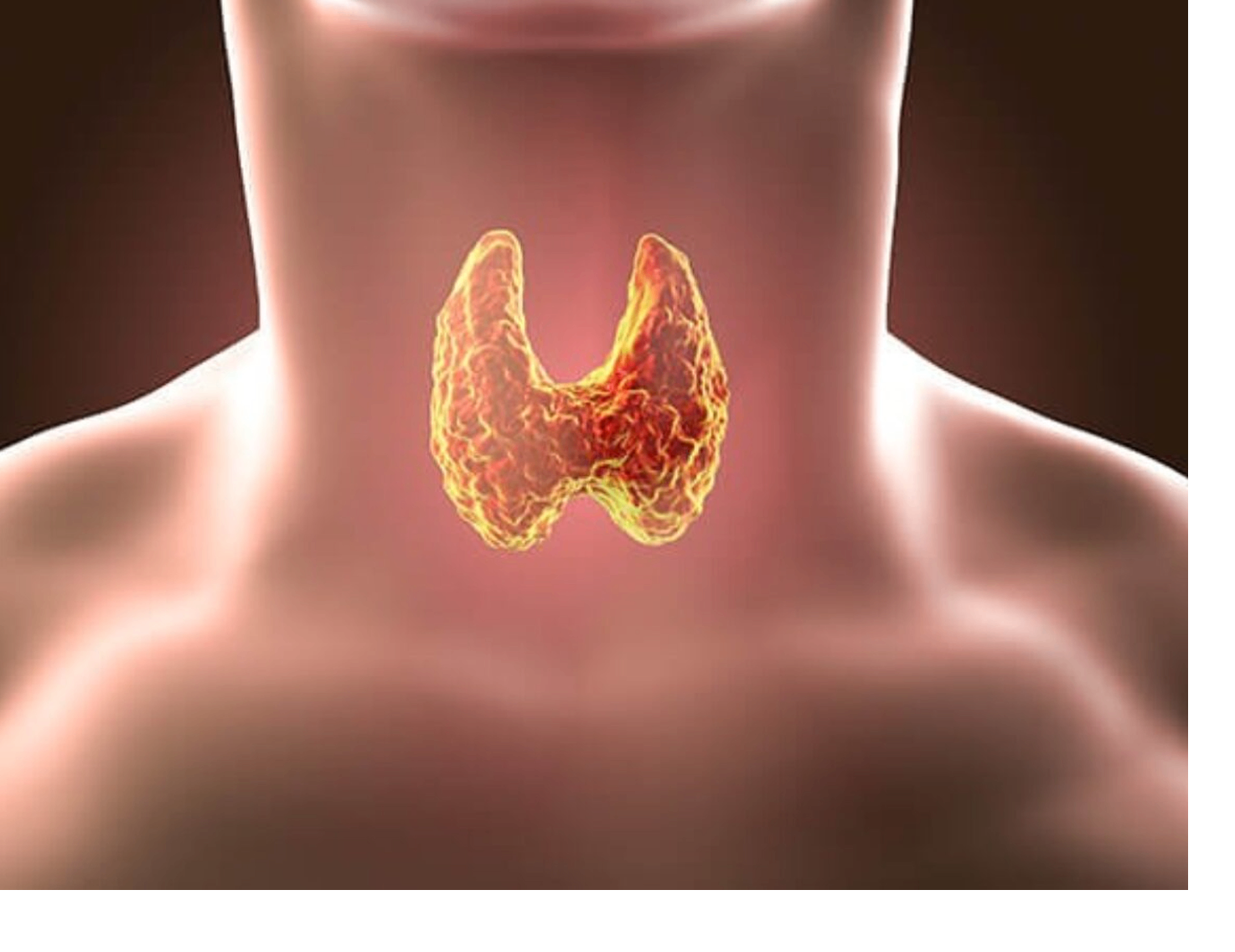
Understanding Hypothyroidism: A Weighty Challenge
Living with hypothyroidism can often feel like an uphill battle, especially when it comes to weight management. When I was first diagnosed, I found myself grappling with persistent fatigue and an inability to shed those extra pounds despite trying every diet under the sun. The challenge stems from the thyroid gland's underactivity, which slows down metabolism, making weight loss a daunting task.
Understanding this condition is the first step toward managing it effectively. Hypothyroidism affects millions of people worldwide, yet each individual's experience is unique. For me, it meant embracing a new lifestyle and adjusting my expectations. The journey taught me patience and resilience, and I realized that I wasn’t alone. Many share this weighty challenge, and by connecting with others in forums and support groups, I found valuable advice and camaraderie. Remember, while hypothyroidism poses challenges, it can be managed with the right approach and mindset.
The Connection Between Thyroid Function and Body Weight
The relationship between thyroid function and body weight is intricate and nuanced. The thyroid gland, located at the base of your neck, produces hormones that regulate metabolism. When it underperforms, as in hypothyroidism, metabolism slows, leading to potential weight gain and difficulty losing weight. I remember vividly the frustration of stepping on the scale and not seeing the expected results despite diligent efforts.
It's important to understand that it’s not only about calories in versus calories out. Thyroid hormones play a crucial role in how your body processes energy. A sluggish thyroid can also lead to water retention, further complicating weight management. For anyone struggling with hypothyroidism, regular monitoring of thyroid levels and working closely with healthcare providers is essential. Tailored medical treatment, alongside lifestyle adjustments, can significantly enhance your weight management journey more effectively.
Dietary Adjustments for Managing Hypothyroid Weight Gain
One of the first changes I made was adjusting my diet to better support my thyroid health. I quickly learned that certain foods can influence thyroid function and, subsequently, weight. Emphasizing whole foods like lean proteins, fresh vegetables, and whole grains became a priority. Foods rich in selenium, such as Brazil nuts, and iodine, found in seafood, naturally support thyroid function.
Avoiding processed foods and those high in sugar was crucial as they can exacerbate weight gain and fatigue, common symptoms of hypothyroidism. I also discovered that gluten could impact some individuals with hypothyroidism, so I experimented with reducing gluten intake and monitored any changes closely.
Meal planning became an essential part of my routine, ensuring I had balanced meals rich in nutrients, without overconsuming calories. By focusing on nutrient-dense foods and understanding my body’s unique needs, I began to manage my weight more effectively.
Incorporating Exercise: Tailored Workouts for Thyroid Health
Exercise is a vital component of managing weight with hypothyroidism, but it requires a customized approach. Initially, I found it challenging to muster the energy for rigorous workouts, but I soon realized that a balanced exercise regimen could boost my energy levels and aid in weight loss.
I started with low-impact activities like walking and yoga, which were gentle on my joints yet effective in improving my overall well-being. Gradually, as my energy levels improved, I incorporated strength training and moderate cardio sessions. These exercises helped build muscle mass, which in turn improved my metabolism.
Listening to my body was crucial; overexertion could lead to exhaustion rather than results. I learned to celebrate small victories, like increased stamina and flexibility. Exercise became not just about losing weight, but about enhancing my health and managing hypothyroidism with grace and perseverance.
Achieving a Balanced Lifestyle with Hypothyroidism
Managing hypothyroidism and weight requires a holistic approach. Finding a balance in lifestyle choices was key to my success. It was not just about diet and exercise, but also about integrating stress management and adequate sleep into my routine.
Stress can negatively impact thyroid function, so I incorporated mindfulness practices like meditation and deep-breathing exercises into my daily schedule. Prioritizing sleep was equally important as rest is paramount for hormone regulation and overall health.
Support from family, friends, and healthcare professionals made a significant difference in maintaining motivation and a positive outlook. Regular check-ups ensured that my thyroid levels remained stable, and any necessary adjustments to medication were made promptly.
In conclusion, while living with hypothyroidism presents its challenges, by adopting a balanced lifestyle, you can effectively manage your weight and improve your overall health. Remember, every step towards a healthier life is progress worth celebrating.
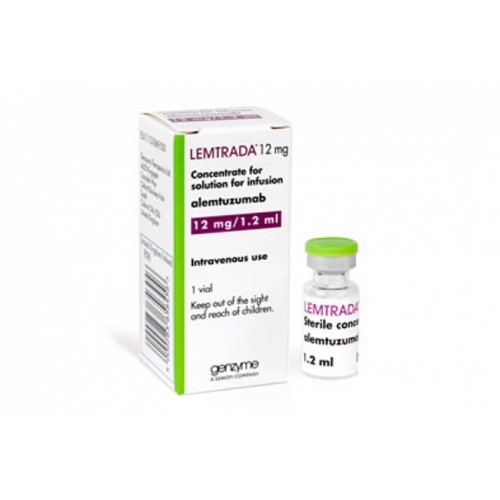
Living with Multiple Sclerosis: My Journey with Lemtrada
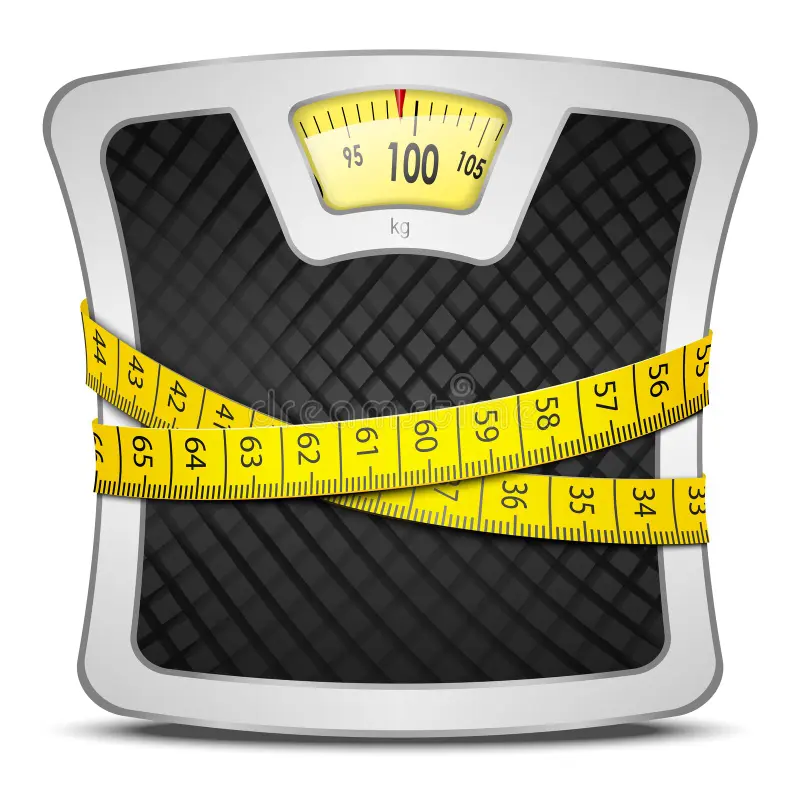
The Journey to 99kg: Intermittent Fasting and MS Management